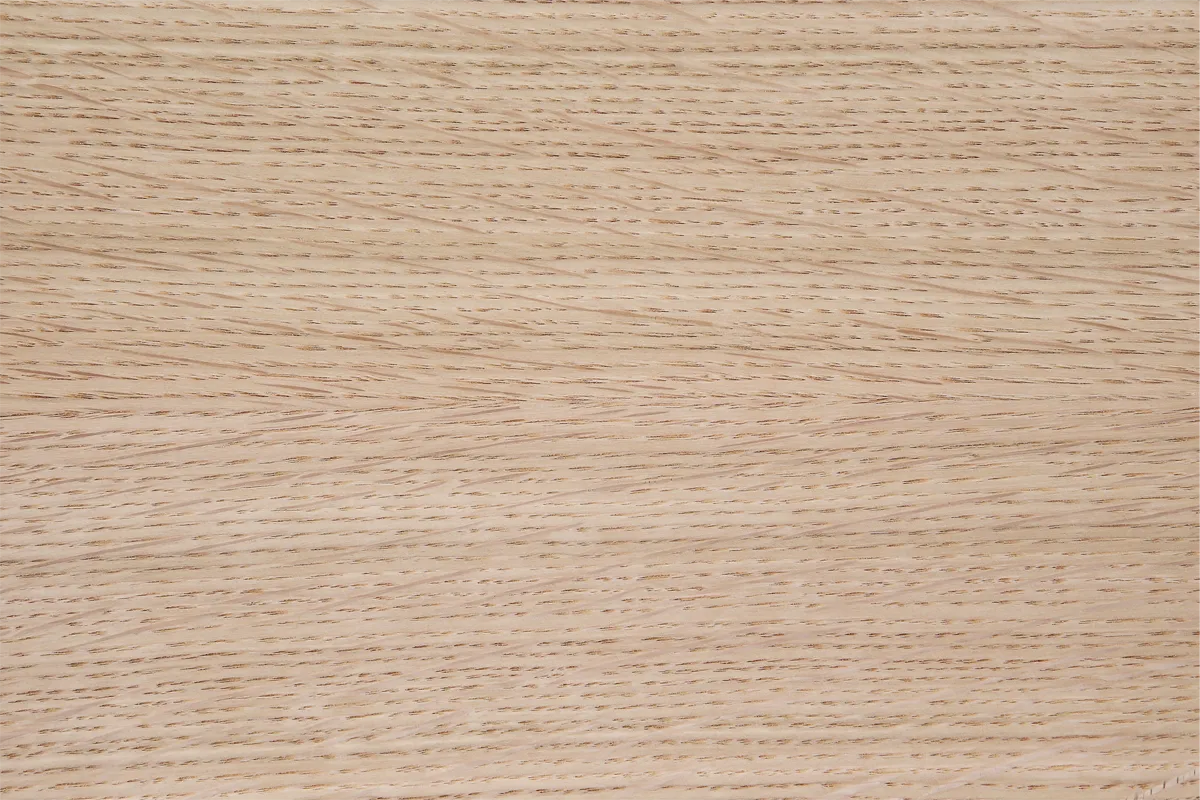
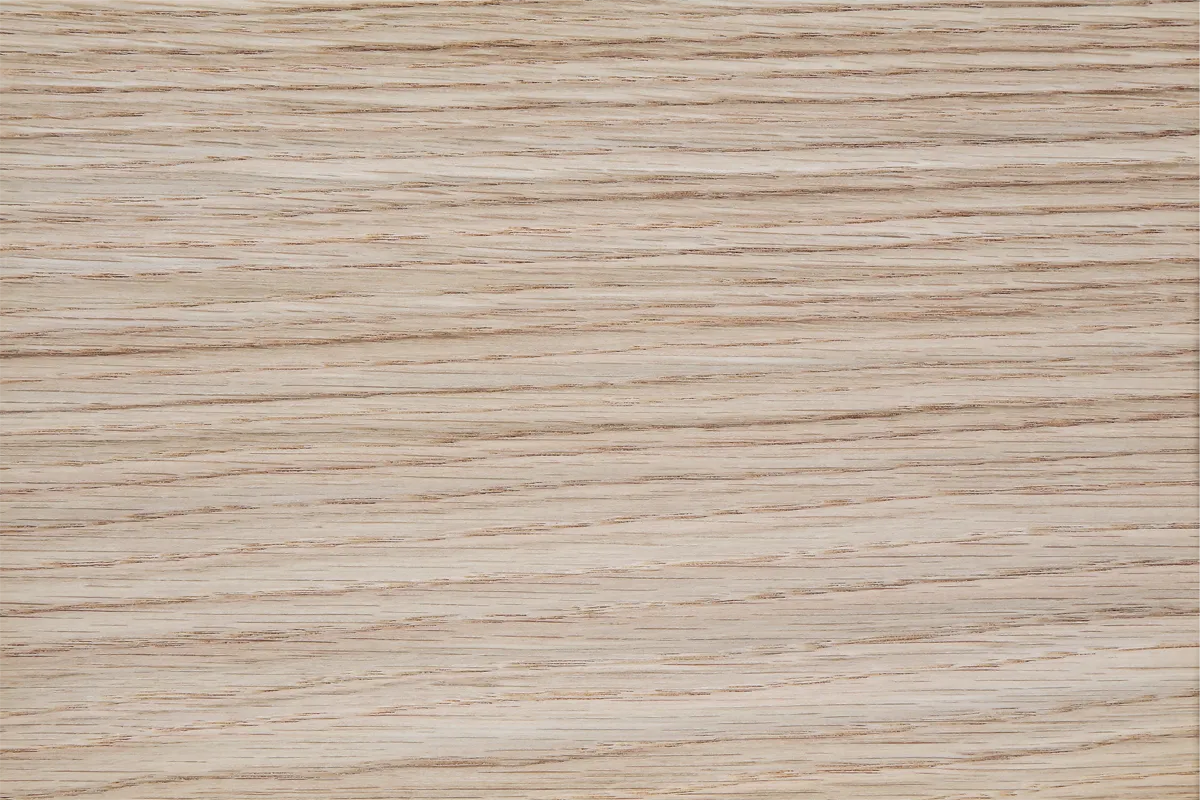
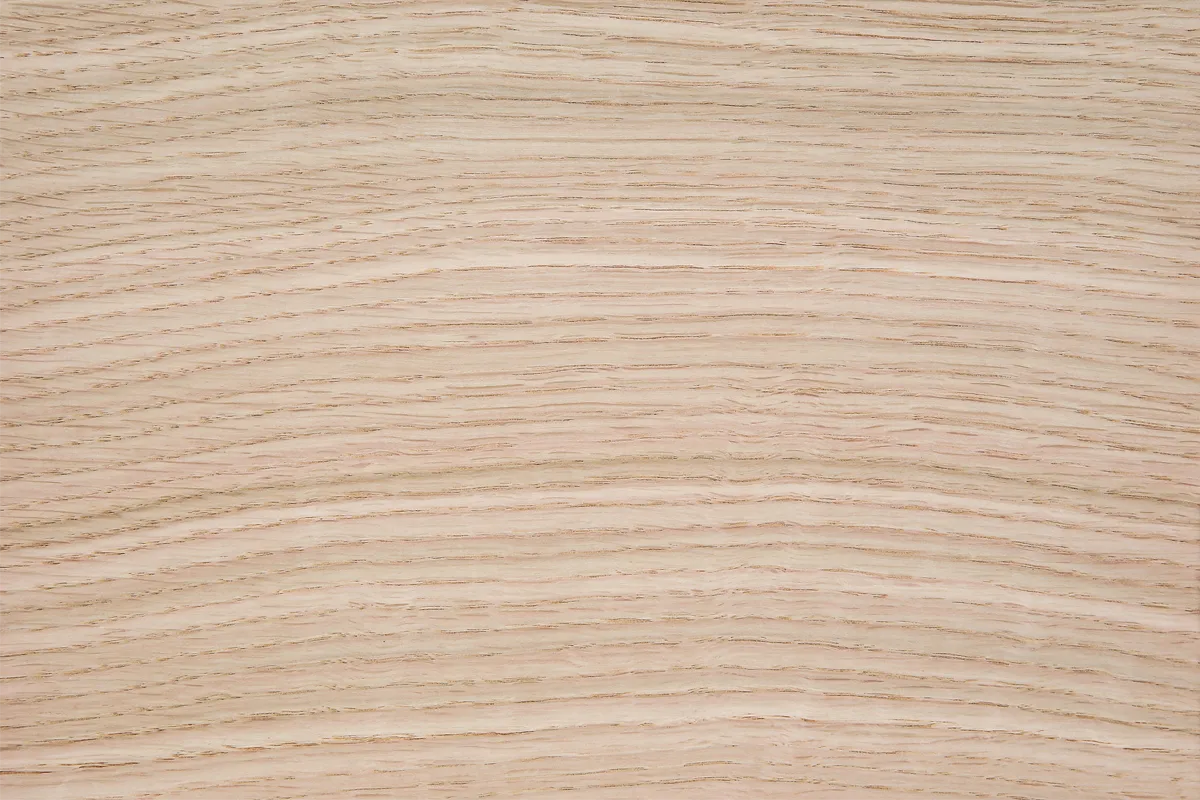
Flat cutQuarter cutRift cut
White oak veneer flat cut with wide and natural grain
White oak veneer flat cut with open grain and organic patterns
White oak veneer flat cut with natural variations and flowing grain
White oak veneer quarter cut with straight and consistent grain
White oak veneer quarter cut with fine and uniform texture
White oak veneer quarter cut with visible flake pattern
White oak veneer rift cut with very uniform linear grain
White oak veneer rift cut with a clean and consistent texture
White oak veneer rift cut with straight and even grain
Sur dosseSur quartierSur rive
White oak veneer flat cut with wide and natural grain
White oak veneer flat cut with open grain and organic patterns
White oak veneer flat cut with natural variations and flowing grain
White oak veneer quarter cut with straight and consistent grain
White oak veneer quarter cut with fine and uniform texture
White oak veneer quarter cut with visible flake pattern
White oak veneer rift cut with very uniform linear grain
White oak veneer rift cut with a clean and consistent texture
White oak veneer rift cut with straight and even grain

White oak veneer is one of the most emblematic wood species in Western cabinetry. Its palette ranges from light beige to medium brown with slightly golden tones, featuring subtle variations that give it depth and authenticity. Available as veneer in plain-sliced, quarter-sawn, or rift cuts, it offers distinct visual expressions depending on how it is cut. When quarter-sawn, it can reveal the characteristic flake pattern, highly valued for its unique decorative appearance. This diversity allows the look to be adapted to both contemporary and more traditional projects while maintaining the strong presence typical of oak.

Historically, white oak played a major role in shipbuilding in Europe and North America due to its exceptional strength and naturally watertight structure. It is also renowned for the production of wine and whisky barrels, where its properties influence the aging process and the aromas of the spirits. This long history in demanding applications demonstrates its reliability. Today, in decorative veneer, it remains a trusted choice for furniture, wall panels, and interior projects seeking authenticity, durability, and timeless character.

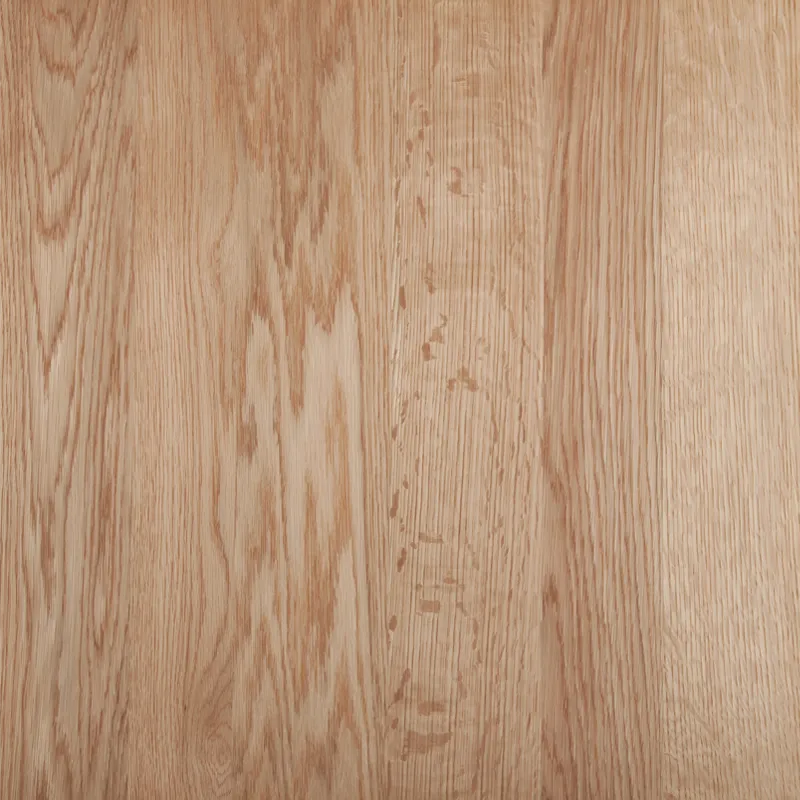
Species Profile

Origin

Canada, United States

Other Names

“Quercus Alba”

Color Range

From beige-blond to warm, slightly golden brown, with natural undertones

Characteristics

Hard, strong, and heavy wood that accepts finishes very well, enhancing its texture

Price Range

◆◆◆◇◇

Dimensions

Standard size 4′ × 8′; custom sizes available upon request

Machining

Excellent

Finishing

Excellent

CITES Status

Not listed under CITES

Inspiring Projects

Projects that showcase the beauty of the material and reveal the full potential of veneer in refined and carefully crafted interior designs.