Wood Veneer Cut Types

Bundle of natural wood veneer sheets prepared for precision veneer splicing

Wood veneer cut types directly influence the appearance, grain and overall character of the material. Depending on how the cut is made relative to the growth rings, the natural patterns of the wood vary significantly, resulting in distinct visual textures and design possibilities.

Understanding the main techniques — flat cut, quarter cut and rift cut — helps guide both aesthetic and technical decisions based on the species and intended application, especially when consistency and visual impact are key considerations.

The way wood is cut influences the appearance of the veneer. Depending on the orientation of the cut, the grain and natural patterns appear differently, helping guide the aesthetic choice for each project.

Flat Cut

Flat cut consists of slicing the wood parallel to the growth rings, which highlights a cathedral or flame-shaped grain pattern. This type of cut fully reveals the natural character of the wood, with more expressive patterns and a pronounced visual movement, making it ideal for decorative surfaces and feature elements.

It is the most common method, as it offers good yield and allows a large quantity of veneer to be produced. Versatile, it suits most wood species and is often preferred for applications where the decorative aspect and richness of the grain are important. It is particularly valued when a more expressive and natural wood appearance is desired.

Produced parallel to the growth rings, this cut reveals expressive cathedral or flame-shaped grain patterns. Very common, it highlights the natural character of the wood and suits most species when richness and movement of the grain are desired.

Natural grain pattern of plain sliced wood veneer showing cathedral figure
Diagram illustrating the plain slicing method used to cut veneer from a log
Plain sliced wood veneer showing a cathedral grain pattern

Expressive grain and natural patterns

Expressive

Illustration showing the high yield of plain sliced wood veneer production

Optimized yield for veneer production

Efficient

Illustration showing plain sliced veneer suitable for most wood species

Suitable for most wood species

Versatile

Quarter Cut

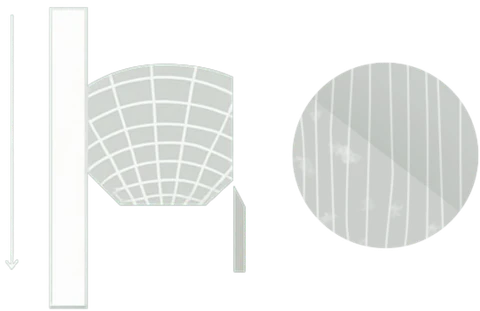
The quarter cut is performed by cutting the wood perpendicular to the growth rings. This orientation highlights a straighter and more linear grain, resulting in a clean and refined appearance. Depending on the species, it can also reveal distinctive reflective patterns that subtly enrich the surface, such as the “flake” effect often seen in oak.

Appreciated for its visual balance and consistency, quarter cut is often chosen for projects where a linear grain, surface clarity, and understated elegance are desired, particularly in furniture and architectural millwork. It is especially well suited for applications where precision and visual uniformity are essential.

Quarter cutting, performed perpendicular to the growth rings, produces a straight and linear grain with a clean and consistent appearance. Depending on the species, it may reveal subtle reflective patterns such as the “flakes” found in oak..

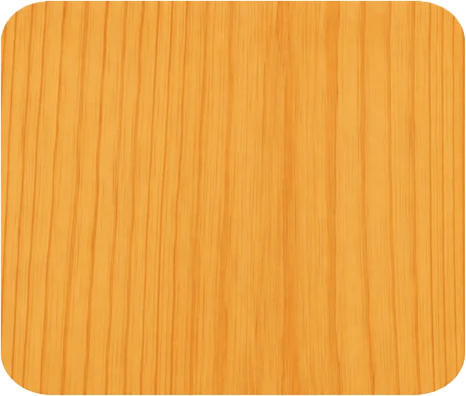
Quarter sliced wood veneer with straight and uniform grain
Diagram illustrating the quarter slicing method used to cut veneer from a log
Straight and linear grain pattern of quarter sliced wood veneer

Linear and consistent grain

Illustration showing the stable and consistent appearance of quarter sliced wood veneer

Stable and uniform appearance

Quarter sliced wood veneer showing a clean and elegant straight grain

Clean and elegant aesthetic

Rift Cut

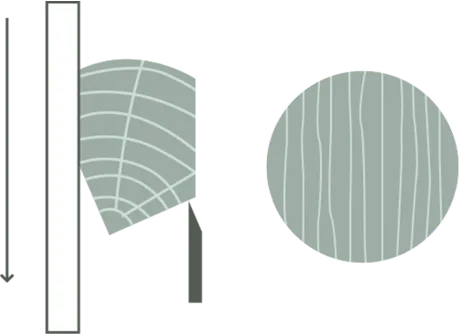
Rift cutting is performed by slicing the wood across the growth rings at a precise angle. This orientation highlights a straight and vertical grain while reducing the appearance of characteristic reflective patterns such as the “flakes” commonly found in quarter-cut oak.

Particularly appreciated for oak, the rift cut produces a clean and uniform appearance. More technical and generally more costly due to its lower yield, it is chosen for projects where grain regularity and purity are essential. This makes it a preferred option for refined, contemporary and high-end applications.

Rift cutting is made at a precise angle across the growth rings. It produces a straight and uniform grain while limiting the appearance of “flake” patterns, particularly in oak. Appreciated for its understated look, it is more technical and generally more costly.

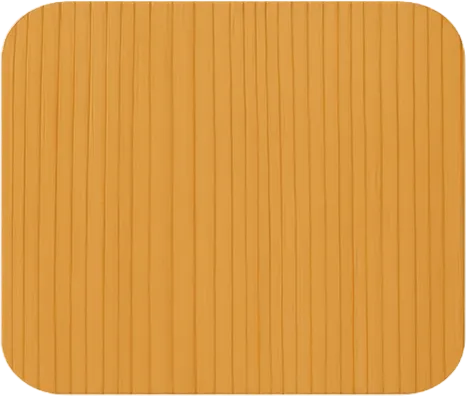
Rift sliced wood veneer showing straight and uniform grain
Diagram illustrating the rift slicing method used to cut veneer from a log
Straight and very uniform grain pattern of rift sliced wood veneer

Straight and very uniform grain

Rift sliced wood veneer minimizing flake figure in the grain

Minimizes the appearance of flakes

Illustration of the rift slicing method, a more precise veneer cutting technique

Precise and more costly cut

From Selection to Material

Discover our veneers firsthand or discuss your project with us.