 Skip to content

What a Wood Veneer Sample Can — and Cannot — Guarantee
What a Wood Veneer Sample Can — and Cannot — Guarantee
Choosing a wood veneer from a photo can be difficult. Screen settings, lighting conditions when the photo was taken, and the camera itself can all influence how the wood appears.
That is why a physical sample remains a valuable tool when planning a natural wood veneer project. It allows you to see and feel the material, take a closer look at the grain, and get a better sense of the appearance of a species or veneer cut.
But one thing is important to keep in mind: a sample represents a natural material. It is not an exact reproduction of every veneer sheet that will be used throughout a project.
So, what can a wood veneer sample actually help you evaluate — and what are its limitations?
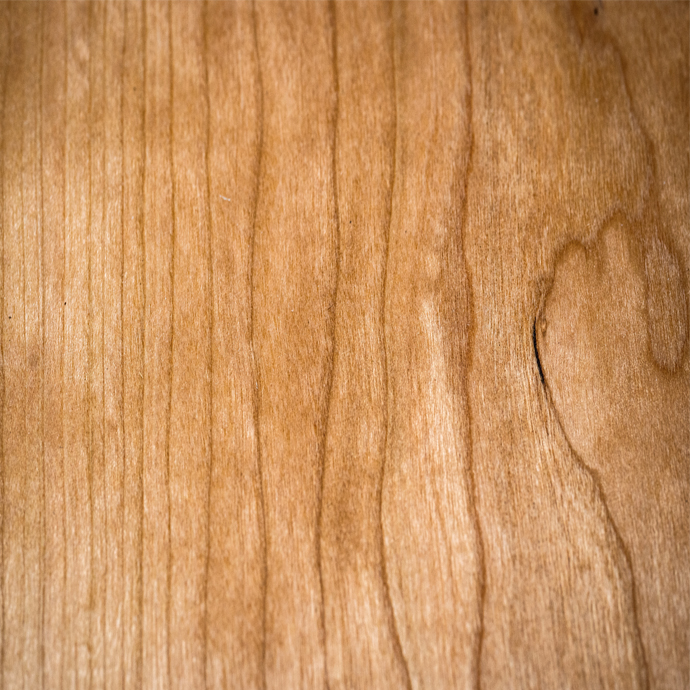
A Sample Is Most Useful When the Project Is Already Well Defined
For a sample to be as representative as possible, it helps to already have a general idea of the appearance you are looking for. For example, with plain sliced veneer, are you looking for large, well-defined cathedrals or smaller, tighter ones? Do you prefer a generally lighter or darker color? A more regular grain or something with more natural character?
These details help us better understand the visual intent of the project and select a sample that comes as close as possible to what you are looking for. The goal is not simply to send a piece of veneer from the right species. Samples can also help define and communicate visual expectations before production begins.
Depending on the size of the project, a single sample may not always be enough. For larger projects involving a significant number of sheets, several samples may be useful to provide a more realistic view of the natural variation that could be present in the material. The more clearly the project requirements are defined from the beginning, the more representative the samples can be of the desired result.
What a Veneer Sample Can Help You Evaluate
The Overall Appearance of the Species
A sample first helps you better understand the character of a wood species. Walnut, cherry, white or red oak, maple, and ash do not simply differ in color. Their grain, contrast, and natural characteristics also give each species a distinct visual identity. A physical sample therefore provides much more information than a photo when comparing different species for a project. This can be especially useful when several options have relatively similar tones but very different grain structures.
The Veneer Cut
The way the wood is sliced has a major influence on its appearance. Plain sliced veneer, for example, can produce wider grain patterns and characteristic cathedral figures, while quarter cut or rift cut veneer will generally create a more linear appearance. A sample makes these differences easier to see and can help determine which cut best matches the visual intent of the project.
The Grain and Natural Character of the Wood
A screen shows an image. A sample allows you to observe the material itself. Grain width, orientation, contrast between different areas of the wood, and other natural characteristics become much easier to evaluate. A sample can also help define more specific preferences: large or small cathedrals, straighter grain, stronger natural character, or a more subtle appearance. For architects, designers, and wood professionals, this can help determine whether the character of the species truly fits the desired look.
What a Veneer Sample Cannot Guarantee
A Perfectly Identical Color
Two veneers from the same species will not necessarily have exactly the same color. Wood is a natural material. Its tone can vary from one tree to another and even within the same log. A small sample can therefore provide a general sense of color, but it should not be treated as a reference that guarantees every sheet in the project will look exactly the same. The size of the project also matters. The more material a project requires, the more likely it is that several logs will be needed, which can result in a wider range of natural variation.
For that reason, the number of samples needed to properly represent this variation may increase with the size of the project. A project requiring 50 sheets of 4 × 8 veneer will generally require fewer samples to illustrate the possible variation than a 500-sheet project, where more material and potentially more logs may be involved. This is particularly important for projects with many visible surfaces.
Exactly the Same Grain
The grain pattern seen on a sample will not necessarily be repeated exactly across a full veneer sheet. A small sample may show a particular cathedral, very straight grain, or another distinctive visual characteristic without that exact configuration appearing on every sheet used in the project. Even within the same log and the same veneer sequence, the grain gradually evolves from one leaf to the next. A sample should therefore be viewed as a representation of the possible character of the wood rather than an exact image of the finished product.
The Appearance of a Full Veneer Sheet
There is an important difference between looking at a few inches of veneer and viewing a sheet that is several feet long. At a small scale, color and grain are usually the most noticeable elements. Across a larger surface, other characteristics become much more apparent, including:
- the repetition or progression of the grain;
- the way the veneer leaves are matched;
- natural variation within the sheet;
- the overall visual effect across the surface.
This is why a sample is very useful for selecting and defining a material, but it cannot fully represent the appearance of an entire veneer sheet on its own.
Other Factors That Influence the Final Appearance
Matching Also Influences the Result
The final appearance of a veneer sheet does not depend only on the veneer itself. The way the individual veneer leaves are arranged in relation to one another also influences the result. Book match, slip match, and plank match, for example, can create very different visual effects using comparable material. A sample helps you understand the wood itself, while the matching technique determines how that wood will be presented across a larger surface.
Finish Influences the Final Appearance
Raw veneer will not necessarily look the same once the finished product is complete. Depending on the finish applied, the wood may appear deeper, warmer, or darker, and the contrast of the grain may also become more pronounced. Bois Lamica supplies unfinished veneer sheets. The finishing process is carried out and controlled by our customers according to their own processes and the requirements of their final product. When a specific color or appearance is required, it is therefore important to consider how the planned finish may affect the veneer. A raw veneer sample can help you better understand the material, but it cannot guarantee its final appearance after finishing.
Lighting Can Also Change How We Perceive the Wood
The same veneer can appear different depending on the environment in which it is viewed. Natural or artificial light, its intensity, and even the surrounding colors can influence how we perceive the tone of the wood. For projects where appearance is particularly important, it can therefore be useful to evaluate the sample under lighting conditions similar to those of the final environment. A species may appear warmer, cooler, lighter, or darker depending on its surroundings, even though the wood itself has not changed.
So, What Is a Veneer Sample Really For?
A sample is first and foremost a decision-making and communication tool. It helps confirm whether the species, veneer cut, and overall character of the wood match the intent of the project. It can also help define that intent more precisely: a generally lighter or darker color, larger or smaller cathedrals, a more linear grain, or a stronger natural character. A veneer sample is particularly useful for:
- comparing different wood species;
- observing the actual grain of the wood;
- comparing different veneer cuts;
- defining specific visual characteristics;
- validating an aesthetic direction;
- getting a better sense of the possible color variation based on the size of the project;
- communicating the desired result more clearly between the different people involved in the project.
However, a sample should not be interpreted as a promise that every veneer sheet will have exactly the same color, grain, or natural characteristics. When the project and its visual expectations are clearly defined, one or more samples selected according to those criteria can provide a much more relevant representation of the material being considered and help establish clearer expectations before production.
Natural Materials Require Some Flexibility
That is also part of what makes natural wood veneer unique. The variations found in wood are part of its character. Two surfaces can be visually consistent without being perfectly identical. For projects where the appearance of multiple surfaces needs to be coordinated, the most important thing is to communicate the visual expectations from the beginning.
Species, veneer cut, dimensions, quantity, matching technique, desired color, grain character, and acceptable level of variation are all elements that can help define the project more clearly and allow us to select more representative samples. The goal is not necessarily to eliminate all variation. It is to achieve a result that is consistent with the intent of the project and with the natural characteristics of the material being used.
Considering Different Veneer Options?
Samples are a simple way to better understand the material before moving forward with a project. They allow you to compare different species, take a closer look at the grain and color, and determine whether the overall character of the veneer matches the appearance you are looking for.
The more clearly your expectations are defined from the beginning — species, veneer cut, color, grain characteristics, large or small cathedrals, desired level of variation, project type and scale — the better we can select one or more samples that are representative of your project. The goal is to give you a tangible reference that helps guide your decisions while keeping the natural variation of real wood in mind.
Share this article